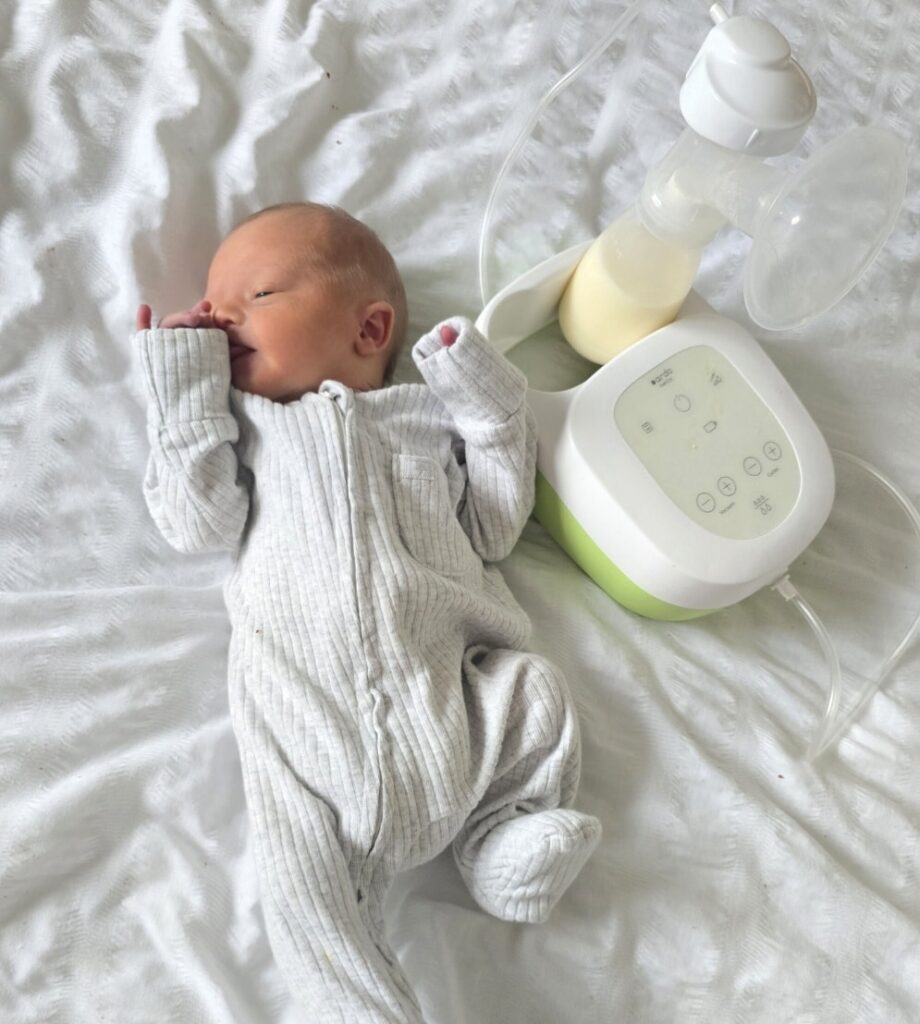
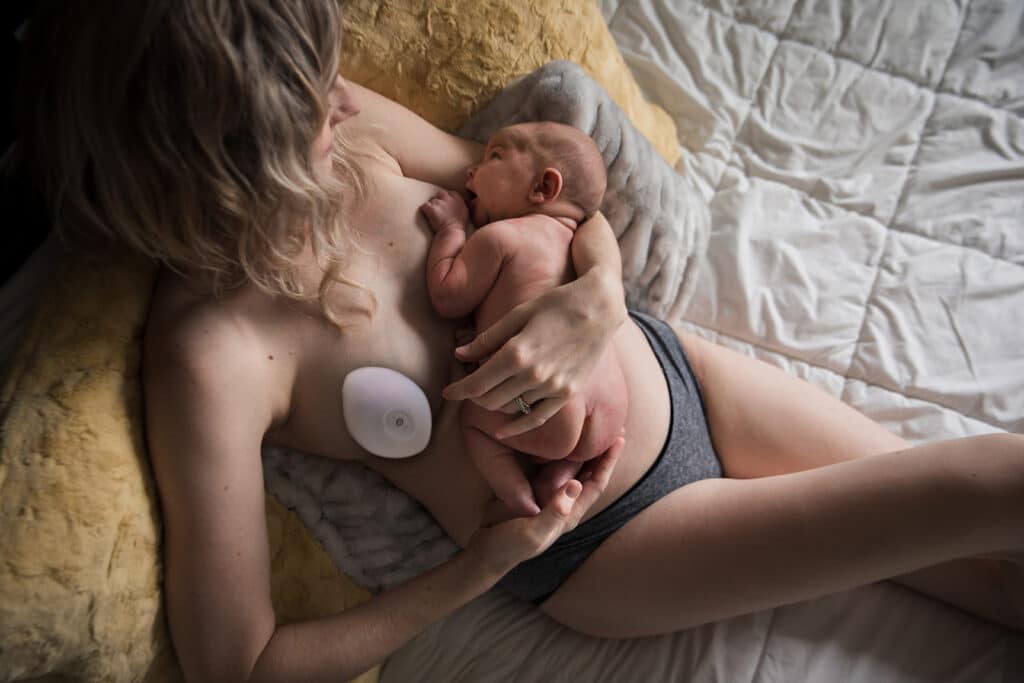
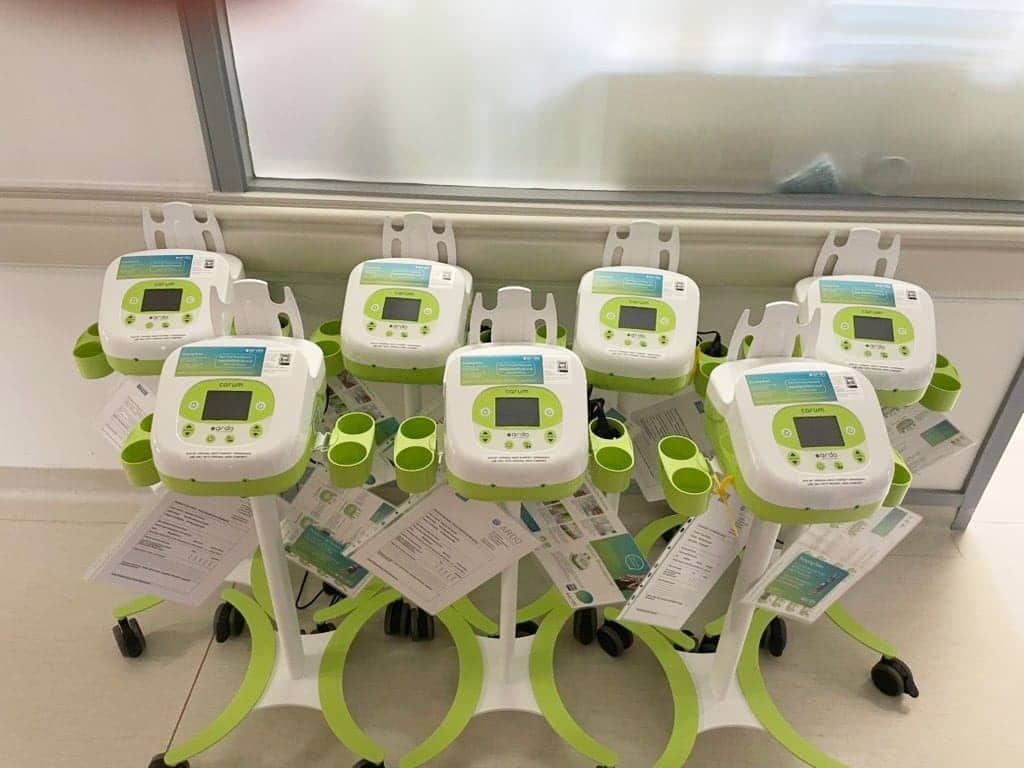
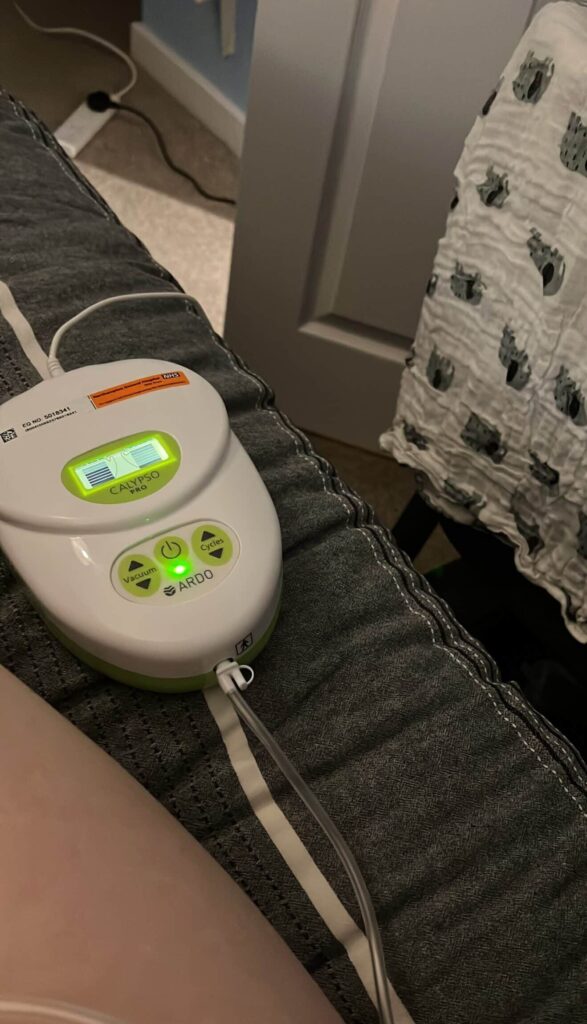
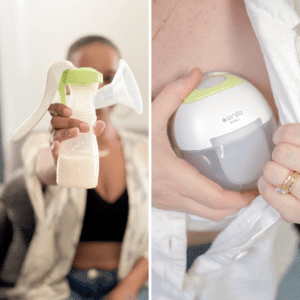
When many parents think about breast pumps, they often picture wearable technology, rechargeable batteries and double electric pumps with lots of settings and features.
But lately, something interesting has been happening – more mums are rediscovering the manual breast pump.
While electric pumps absolutely have their place, particularly for frequent pumping or establishing supply, manual pumps are proving popular again for parents looking for something simple, portable and affordable.
So, are manual breast pumps making a comeback? And could one work for your feeding journey?
Why Are More Parents Choosing Manual Pumps?
Sometimes simpler really is better.
Many parents are turning to manual pumps because they offer:
Affordability
Manual pumps are often significantly cheaper than double electric pumps, making them a good option for parents who don’t plan to pump frequently.
Portability
Small, lightweight and compact, manual pumps are easy to throw into a changing bag or keep in the car for emergencies.
No Batteries. No Charging. No Stress.
One of the biggest benefits? They simply work.
No charging cables. No dead batteries. No worrying whether you packed the power adaptor.
For many parents, having a pump that works anytime and anywhere feels reassuring.
Quiet Pumping
Manual pumps are often much quieter than electric pumps, which some parents prefer for night-time expressing or pumping around sleeping babies.
Useful as a Backup
Even parents who primarily use electric pumps often like having a manual pump available as a backup for travel, emergencies or occasional use.

Amaryll Breast Pump
When Might a Manual Pump Work Well?
Manual pumps are not necessarily the right choice for everyone — but they can work brilliantly in certain situations.
You might find a manual pump useful if you:
- pump occasionally rather than daily
- want to express for occasional bottles
- need relief from engorgement
- want to build a small freezer stash
- are combination feeding
- need a lightweight travel option
- want a simple backup pump
Some parents also find manual pumps useful for expressing small amounts comfortably without setting up a larger pumping system.
When Might an Electric Pump Be Better?
Electric pumps can still be the better option for many families.
You may benefit more from an electric pump if you:
- are exclusively pumping
- have a baby in neonatal care
- are pumping multiple times per day
- are establishing supply in the early weeks
- are feeding twins or multiples
- are returning to work and pumping regularly
The reality is that the “best” pump depends entirely on your feeding goals, routine and lifestyle.

Does a Manual Pump Express Less Milk?
Not necessarily.
Milk output depends on many factors including milk supply, timing, stress levels, flange fit and frequency of expression.
Some parents respond really well to manual pumps because they can control the rhythm and suction themselves.
Others prefer electric pumps because they require less physical effort.
There’s no universal answer — only what works best for you.
Questions to Ask Yourself Before Choosing a Pump
Before investing in a pump, it can help to ask:
- How often will I realistically pump?
- Am I pumping occasionally or daily?
- Will I pump away from home?
- Do I want something lightweight and portable?
- Will I need to pump quickly or for longer sessions?
- Do I want a backup option?
Your answers may help guide what type of pump makes most sense for your family.
The Bottom Line
The rise of wearables and high-tech pumps doesn’t mean manual pumps no longer have a place.
For some parents, a manual pump offers flexibility, simplicity and reliability — without needing batteries, charging cables or expensive equipment.
Because ultimately, there isn’t one perfect breast pump.
There’s simply the right pump for your feeding journey.
Have you used a manual pump? We’d love to hear what worked for you — share your experience with the Ardo community.