When Rachel was induced at 36 weeks with her twins, she hadn’t expected the challenges that would follow in those early days.
“Because they were premature, both babies were in neonatal for a week. They were tube fed for some of that time, and between them they were treated for low blood sugar, low body temperature, jaundice and needed CPAP breathing support.”
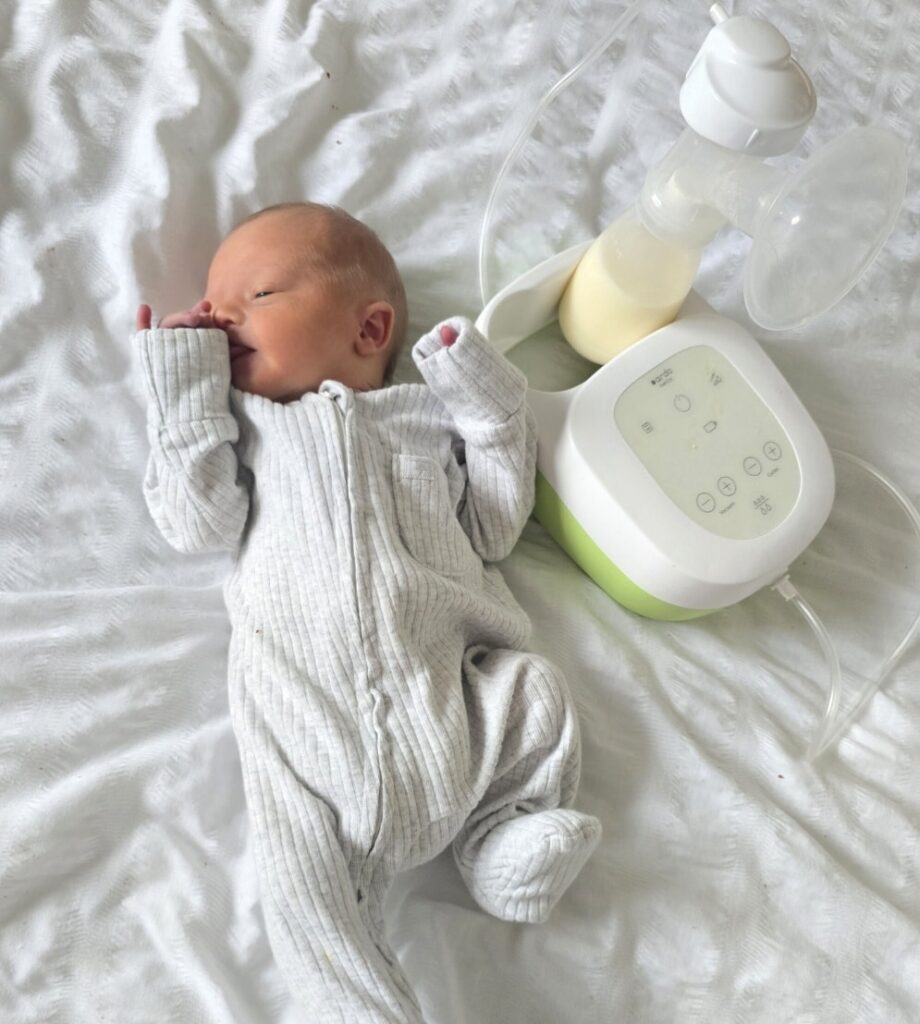
It was an overwhelming start — adjusting to her babies being in intensive care, trying to rest, and beginning a double pumping routine to build her milk supply.
“It was a lot to get my head around.”

Establishing feeding in the early days
Rachel had expressed colostrum during pregnancy, which supported her babies in the very early days.
“Apart from day two, when they had used up the colostrum I’d stored and were supplemented with some formula, I didn’t have any problems with my milk supply.”
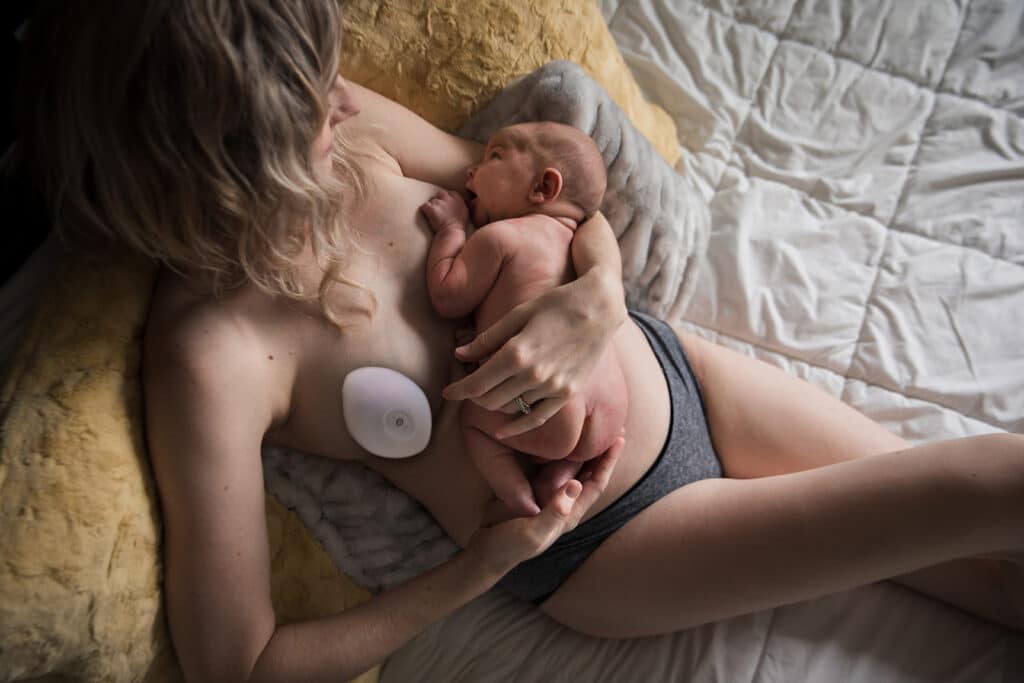
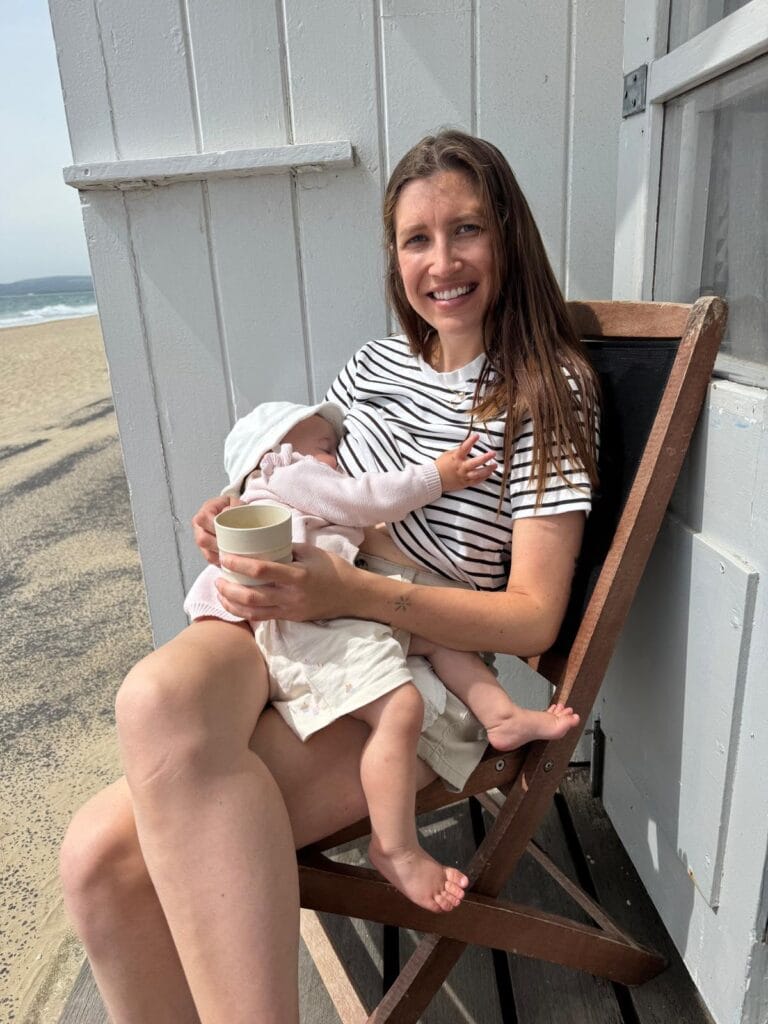
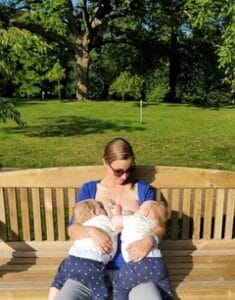
From the beginning, Rachel was committed to breastfeeding — and went on to exclusively breastfeed her twins, continuing until they were 27 months old.

Learning to pump in hospital
In those early days, expressing milk became a key part of establishing feeding — but support wasn’t always readily available.
“After my babies were born, I was shown to a room full of breast pumps, but not shown how to use them. The staff were overworked and not everyone seemed to know how the pumps worked.”
Despite this, Rachel found a way forward.
“It’s lucky I’m a determined person, because I managed to find one that was working and figure out how to use it properly.”

The reality of triple feeding
Like many parents of premature babies, Rachel faced challenges with weight gain in the early weeks.
“We had issues with weight gain for both babies, so for the first month I was feeding them at the breast, then double pumping, and then my husband would give them expressed milk as bottle top-ups — what’s known as triple feeding.”
“It was physically and emotionally exhausting.”
Despite this, Rachel kept going — holding onto the knowledge that this stage was temporary.
“The thing that kept me going was knowing this wouldn’t last forever. I was so determined to breastfeed — I just needed it to work out.”
Finding support through pumping
Pumping played a vital role in Rachel’s journey — both in hospital and at home.
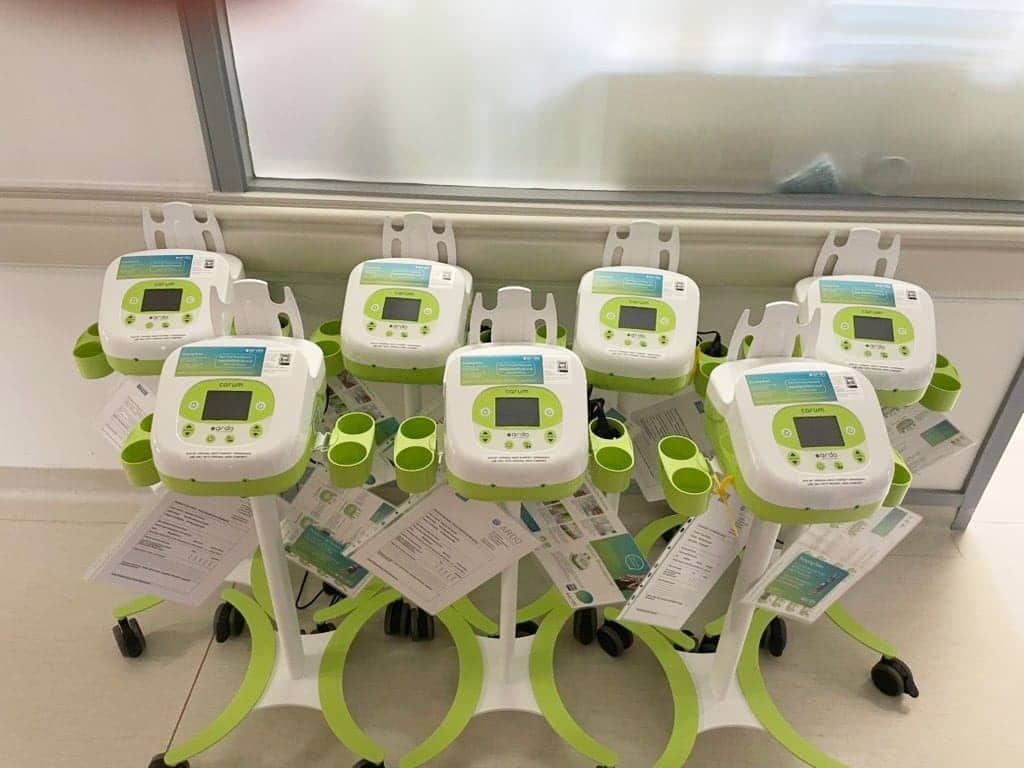
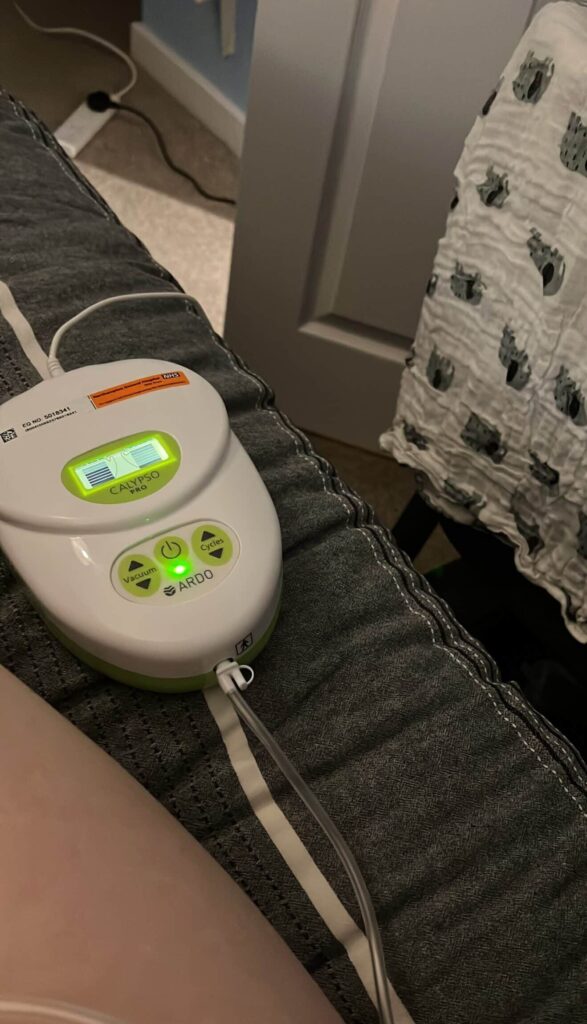
“In hospital I used the Ardo Carum breast pump, which is a hospital-grade double electric pump. Once home, I used the Ardo Calypso double electric pump, which was recommended to me by an IBCLC friend.”
“Both of these pumps were great, and I couldn’t have done without them.”
A journey of resilience
From neonatal care to establishing breastfeeding and navigating the demands of feeding twins, Rachel’s journey was far from easy — but it’s one that reflects the strength and determination so many parents show in those early months.
If you’re navigating feeding challenges in the early days, you’re not alone — and support can make all the difference.